The dreams
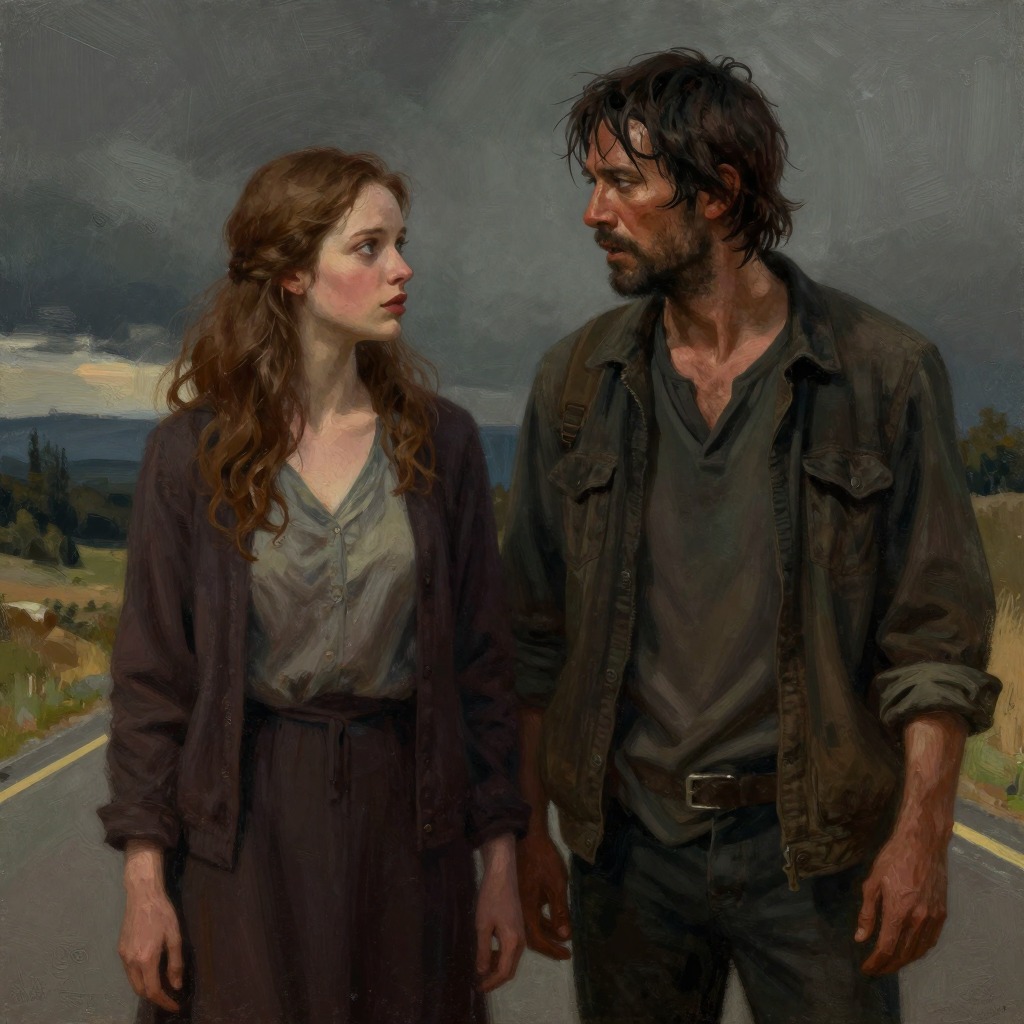
In Cormac McCarthy's The Road, dreams are not a respite from the waking nightmare of the post-apocalyptic world but a deeper, more intimate dimension of it. They function as a primary psychological landscape where the man and the boy confront the irreconcilable forces of their existence: the seductive beauty of a vanished world and the stark, brutal reality of their present. The dreams are a constant, often terrifying, presence that shapes their actions, reveals their deepest fears, and ultimately tests the very foundations of their will to live.
The Dreams of the Man: A War Between Memory and Peril
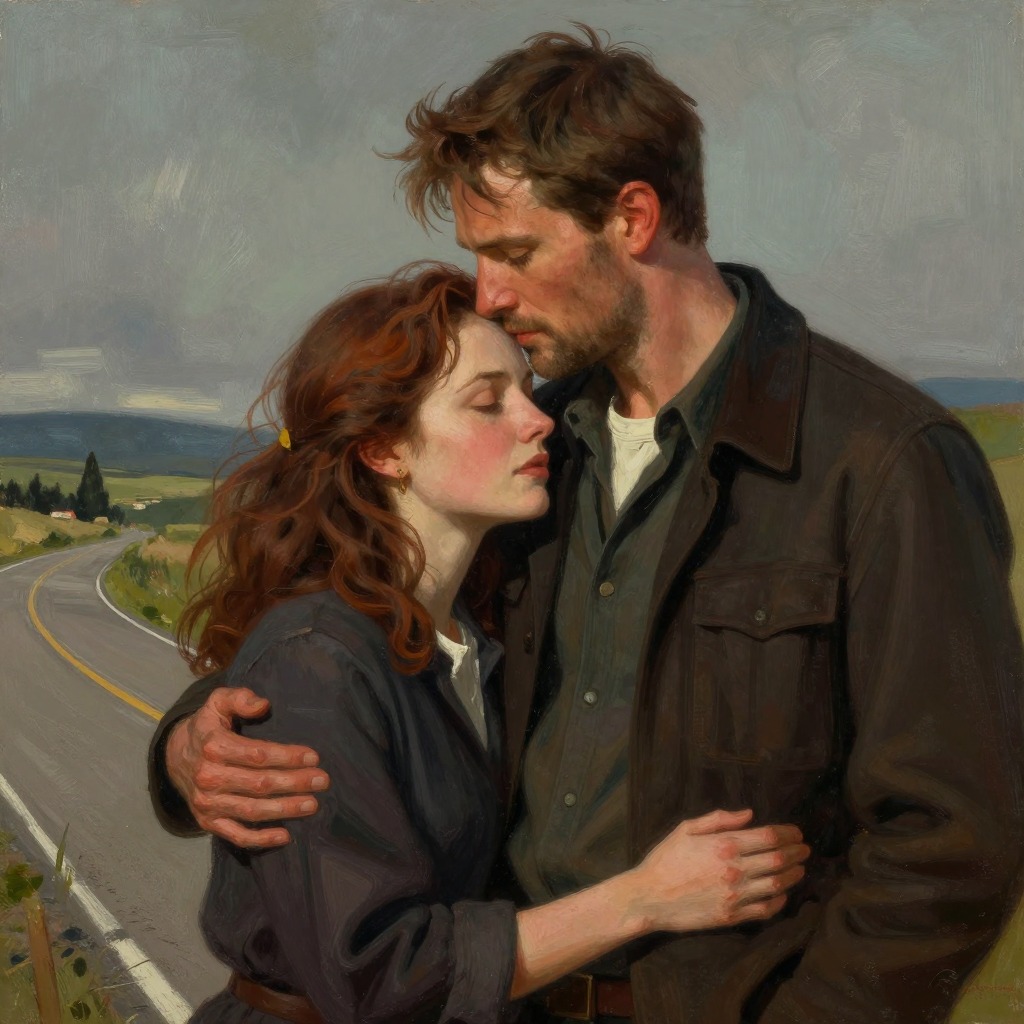
The man's dreams are a complex tapestry of longing, warning, and despair. He is haunted by dreams of his wife, who appears to him "out of a green and leafy canopy" in a vision of impossible beauty, her "nipples pipeclayed and her rib bones painted white," a ghostly figure from a world of color and life that no longer exists. These dreams are a siren call, a temptation toward the past that he knows he must resist. He explicitly mistrusts them, believing that "the right dreams for a man in peril were dreams of peril and all else was the call of languor and of death." He learns to wake himself from these "siren worlds," aware that their richness and color are a form of deathly seduction. Yet, he cannot entirely escape them. He dreams of walking in a flowering wood with the boy under an "aching blue" sky, only to wake with the "uncanny taste of a peach from some phantom orchard fading in his mouth." These dreams are so vivid that upon waking in the cold dawn, they "turned to ash instantly," like ancient frescoes exposed to the light. The most profound and recurring dream is the one from which he wakes at the novel's opening: a journey into a cave where the boy leads him by the hand, a descent into a primordial, stone world where they encounter a pale, translucent creature with "eyes dead white and sightless as the eggs of spiders." This dream is a prophecy of their journey, a descent into the earth's own death, and a confrontation with a form of life that is barely recognizable. The man's dreams are a war within himself, a constant negotiation between the pull of a beautiful, lost past and the imperative to survive in a perilous present.
The Boy's Nightmares: Innocence and Terror
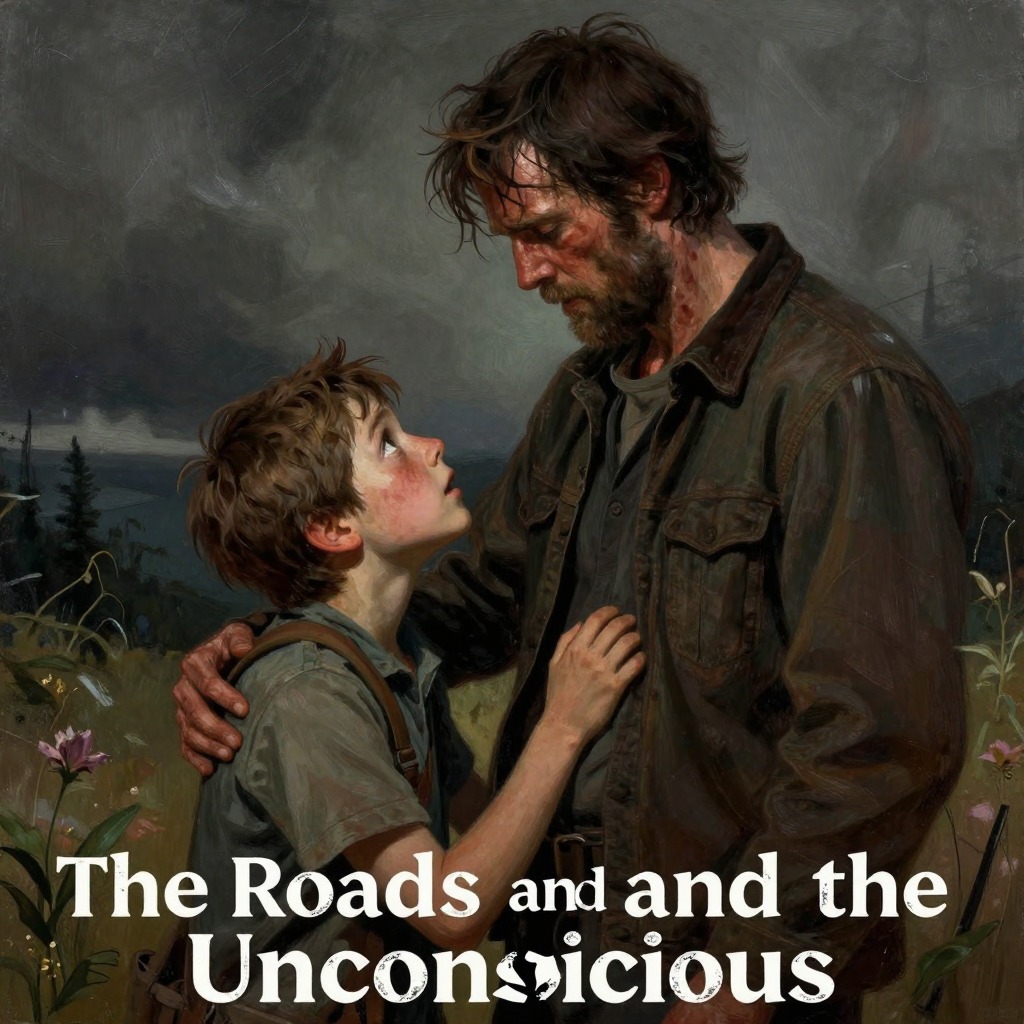
The boy's dreams are more direct manifestations of his childhood fears and the trauma he endures. He has a recurring nightmare about a wind-up penguin that comes around a corner in their old house, but "nobody had wound it up and it was really scary." The boy's specific, chilling detail—"The winder wasnt turning"—reveals a deep anxiety about a world that has lost its animating force, a mechanism that no longer functions. This dream is a perfect metaphor for the dead world he inhabits. He also has bad dreams that he refuses to describe, telling his father, "I dont want to tell you." The man, recognizing the danger, warns him: "When your dreams are of some world that never was or of some world that never will be and you are happy again then you will have given up." The boy's dreams, unlike his father's, are not a temptation of the past but a direct expression of his present terror and his struggle to hold onto a sense of normalcy in a world that has none. His fear is so profound that he once wakes from a dream and tells his father, "I wish I was with my mom," a wish the man understands as a death wish.
The Function of Dreams: Warning, Seduction, and the Unconscious
The dreams in The Road serve multiple narrative and thematic functions. They are a form of warning, as when the man dreams of creatures that he believes have come to warn him that he "could not enkindle in the heart of the child what was ashes in his own." They are a source of seduction, offering a glimpse of a world that is gone forever, a world of color, love, and warmth that makes the gray reality even more unbearable. They are also a direct line to the unconscious, revealing truths that the characters cannot or will not articulate in their waking lives. The man's dream of his wife's death, where he realizes he "did not take care of her and she died alone somewhere in the dark," is a confession of guilt and a premonition of his own end. The dreams are a space where the past is not just remembered but relived, and where the future is not just anticipated but feared. They are a constant, internal narrative that runs parallel to the external journey, deepening the reader's understanding of the characters' psychological states and the profound cost of their survival.
Thematic Significance: The Last Vestiges of a Lost World
The dreams are thematically crucial because they represent the last vestiges of a world that has been destroyed. They are the only source of color, beauty, and human connection that the man and boy have left. The man's dreams of his wife, of a flowering wood, of a falcon falling down a mountain, are all memories of a world that was rich with life and meaning. The dreams are a form of memory, but they are also a form of loss. The man reflects that "each memory recalled must do some violence to its origins," suggesting that even the act of remembering is a kind of destruction. The dreams are a fragile, internal archive of a world that no longer exists, and their slow fading is a measure of the world's death. The boy's dreams, by contrast, are not of the past but of the present's horrors, showing how the new world has already colonized his unconscious. The final dream of the novel, the man's last vision of the cave, merges the waking and dreaming worlds, as the boy appears with a candle, leading him through a "cold corridor" to the point of no return. This dream is a final, beautiful, and terrifying synthesis of their journey, a vision of the love and the death that define their existence. The dreams, in their richness and their terror, are the last, most intimate record of what it means to be human in a world that has lost all its grace.